


Every day, people scroll past hundreds of ads without giving them a second glance. Most of those ads get ignored because they seem like the same thing to everyone who sees them. But every so often, one ad stops someone mid-scroll because it shows exactly the same product the customer was looking at yesterday, at the exact price they were hovering over, plus a small, subtle reminder that it’s still waiting in their cart.
This is the core principle behind personalised advertising — and it's why brands that use it consistently outperform those relying on one-size-fits-all messaging. In this guide by remarketing.agency, we cover what makes personalised ads work, how they compare to generic remarketing campaigns, and what it takes to build remarketing campaigns that genuinely convert
Personalised ads are advertisements shaped around a specific person's behaviour, preferences, or past interactions with a brand. Instead of showing the same banner to every visitor, tailored ads shift based on what someone actually did — the pages they landed on, the products they placed into a cart, or the searches they typed in.
This is different from traditional advertising, where one message is crafted and pushed out to a wide audience regardless of who they are or what they have shown interest in. A generic ad might push a seasonal offer to everyone in a target city. A personalised ad might show a returning shopper the same pair of shoes they looked at last week — now with a modest markdown attached.
The technology behind this involves tracking pixels, cookies, and customer data platforms that log browsing activity and feed it back into ad ecosystems like Google Ads, Meta, and programmatic display networks. The result is advertising that feels relevant and considered — less like a random guess, and more like a brand that actually pays attention.
Remarketing campaigns already have a slight edge over cold advertising, mainly because they target people who’ve already shown some interest in your brand — like landing on the website, browsing a specific product, or even starting a checkout. But a lot of businesses stop there and treat every visitor pretty much the same once they step into the remarketing funnel.
A generic remarketing setup can end up showing the same static banner ad to everyone who visited a website within the last 30 days, no matter what they actually clicked or how near they were to buying. Someone who only skimmed one blog article might get the same creative as someone who ditched a cart with three items in it. And honestly this misses the point of remarketing entirely.
The outcome is pretty predictable: wasted ad spend and weaker click-through rates. If every single person sees the exact same message, the ad loses relevance fast, and relevance is exactly what makes remarketing work in the first place.
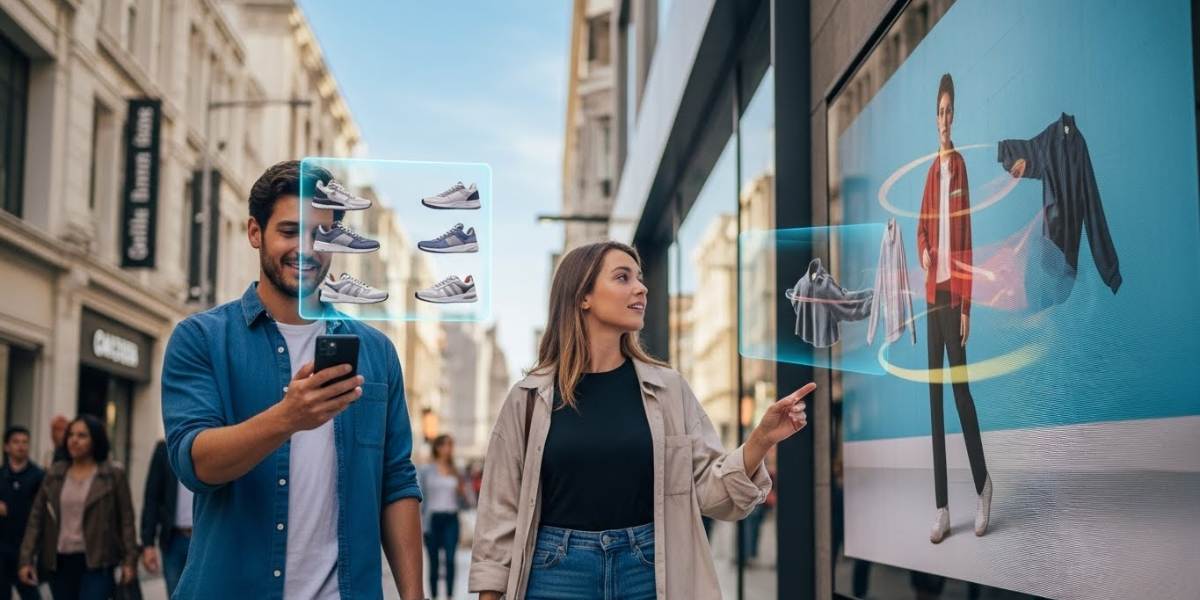
Dynamic remarketing takes the core retargeting idea and adds automation plus personalization on top of it. The approach pulls in live product info — images, prices, product titles, and availability — and then builds a different ad for each person based on what they actually viewed or added to their cart.
So, if someone checked out a specific pair of headphones on an online store then left, dynamic remarketing automatically generates an ad that features that exact product. In some cases, it might also include similar items the person may be interested in. No marketer needs to manually design a whole new ad for each visitor, because the system does it using product feeds and behavioral signals.
This shift really matters because it turns a generic follow-up into a more targeted, precise one. This automated approach shows people something they've already expressed real interest in, which naturally increases the odds of a return visit and a completed purchase.
When you compare personalized ads vs generic ads, side by side, the performance gap is honestly hard to ignore. The tailored ones tend to pull in higher click-through rates because they line up with what a person is already checking out, instead of trying to get their attention on something that really has nothing to do with their interests.
Generic ads rely on broad appeal — a message apply to as many people as possible. Yes, this style can help for pure brand awareness, but it usually doesn’t create strong action. Individually targeted/personalized ads do the reverse. They narrow the message down to one person's exact context, and that’s why the ad feels less like a random interruption and more like a useful reminder.
|
Aspect |
Personalized Remarketing Ads |
Generic Remarketing Ads |
|
Ad Creative |
Dynamically shows the exact product/service the user viewed |
The same static creative is shown to everyone. |
|
Targeting Basis |
Browsing behavior, cart activity, purchase history |
Broad audience list with no behavior segmentation |
|
Relevance |
High — matches user's intent and funnel stage |
Low — same message to all regardless of intent |
|
Messaging |
Tailored offers (e.g., "still interested in this?" and size/color reminders) |
One-size-fits-all promotional message |
|
Funnel Stage Handling |
Different messages for browsers, cart abandoners, past buyers |
Treats all visitors the same, regardless of stage |
|
Technology Used |
Dynamic remarketing feeds, pixel + catalog data |
Simple retargeting pixel, no product feed |
|
Click-Through Rate (CTR) |
Typically higher |
Typically lower |
|
Conversion Rate |
Higher, since ads match real intent |
Lower, due to weak relevance |
|
Ad Spend Efficiency |
Better ROAS — budget goes toward high-intent users. |
Wasted spending on uninterested or already-converted users |
|
Frequency Fatigue |
Lower, since messaging varies and feels natural. |
Higher, since the same ad repeats often |
|
Setup Complexity |
Requires clean tracking, product feed, segmentation |
Quick and simple to set up |
|
Best For |
E-commerce, multi-product catalogs, high-intent recovery |
Early brand awareness, cold audience reach |
|
Scalability |
Scales well across large inventories with automation |
Doesn't scale well without manual creative work |
The reason personalised ads outperform generic ones comes down to basic human psychology. People pay attention to things that feel relevant to them and tune out things that don't. When an ad mirrors something a person has already searched for or looked at, it creates recognition — not resistance. That single shift, from interruption to acknowledgement, is what separates advertising that gets ignored from advertising that gets clicked.
A second factor is reduced decision fatigue. When someone sees a product they already considered, paired with a small incentive like a discount or free shipping, the mental work of deciding is significantly reduced. The ad is not introducing a new idea — it is completing a decision the person was already moving toward. That is a fundamentally different psychological position from asking a cold audience to consider something they have never thought about before.
Generic ads, by contrast, face a structural disadvantage. Because they must stay broad enough to apply to everyone who might see them, they cannot speak to anyone specifically. Repeated exposure to the same undifferentiated message leads predictably to ad fatigue and banner blindness — not increased interest. The wider the audience a single ad tries to reach, the less it resonates with any individual within it.
Social proof adds another layer. Personalised ads regularly incorporate details like remaining stock levels, recent price drops, or the number of people currently viewing a specific item. These signals tap into a well-documented human tendency to act before an opportunity closes — what behavioural economists call loss aversion. A generic ad rarely has room for this kind of specificity. The moment it tries to include it, it stops being generic — which is precisely the point.
Some important practices can help campaigns perform better and deliver stronger results.
Frequency and timing matter just as much as the creative itself. Showing the same ad too often can annoy users and make them avoid the brand. Instead, show reminders over a few days and slowly update the offer if users do not respond. This approach usually works better than repeating the same ad again and again.
Running targeted ads like that requires technical setup, creative testing, and continuous optimization working together. So many businesses end up leaning on a dedicated retargeting agency instead of trying to manage everything in-house. A specialist group already knows how to configure product feeds, build audience groupings properly, and fix tracking glitches that, honestly, often don’t show up until they start hurting results.
A good remarketing ad agency doesn’t just flip on dynamic ads and walk away. It keeps testing creative, tweaking frequency and timing, and reworking audience segments based on live performance info, not just guesses.
If your business right now is stuck on generic banner ads or that simple “show everyone the same thing” mindset, it might be worth talking with remarketing.agency. We review what you have, then point out where more personalization could close the gap. Little shifts, like properly dividing audiences or moving to dynamic product ads, often create better results without you needing a larger ad budget.
Smart remarketing is basically about using automation, machine learning, and real-time signals to make remarketing decisions quicker and more accurately than a human team can realistically do manually. Instead of roughly deciding which audience slice to push first or which product to spotlight. The “smart remarketing” systems look at things like how recently someone browsed, their purchase probability, and how they responded before, and then they just make the call automatically, not guesswork.
What really separates advanced remarketing from the basic kind is the mix of personalization and automation. It’s not just “show the right thing.” It’s about delivering it at the right moment, with the right price level, through the right marketing channel, using data that keeps updating in the background.
The difference between behavior-based ads and generic ads is significant. Generic ads may waste your budget, while personalized ads can bring potential customers back to your website.
If your current retargeting campaign shows the same message to everyone, it may be time to improve your strategy. You can create better audience segments, use dynamic product ads, and adjust ad timing based on user behavior. Even small improvements in relevance can lead to better campaign performance.
Plus, if handling all that in-house feels like more than your team can realistically manage, working with a remarketing ads agency who focuses on this type of personalization can be a clean way to reach your goals faster.