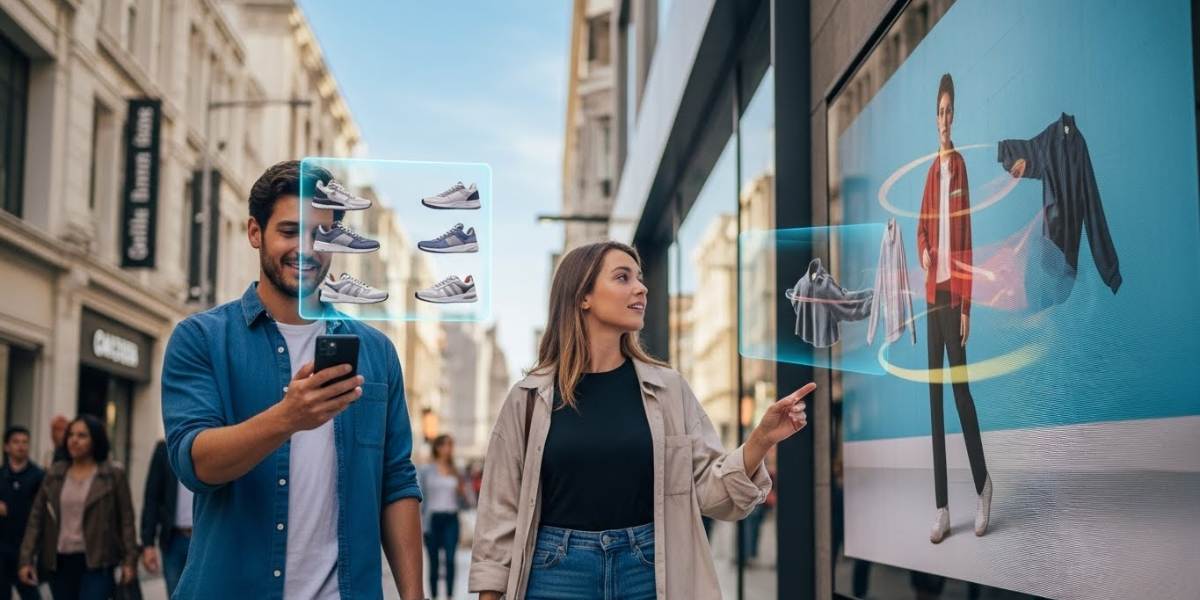



The digital competition in 2026 presents its most intense challenges yet. The average online shopper visits a website, browses products, and leaves without converting. Research by the Baymard Institute estimates that nearly 70% of online shopping carts are abandoned before purchase. Brands want effective connection methods with high-intent customers through advanced personalization systems. It helps to maintain their market position. This is where dynamic ads are transforming performance marketing.
Businesses now display automatic product and service recommendations through customized & personalised advertisements based on each user's browsing behaviour, product interactions, and purchase history. The outcome is a more relevant, more timely ad experience that consistently outperforms traditional formats in driving remarketing conversions, increased user activity together with stronger intention signals and actual conversion rate improvements.
This blog by remarketing agency will examine how this evolution helps brands achieve better remarketing results while they enhance their overall performance in 2026.
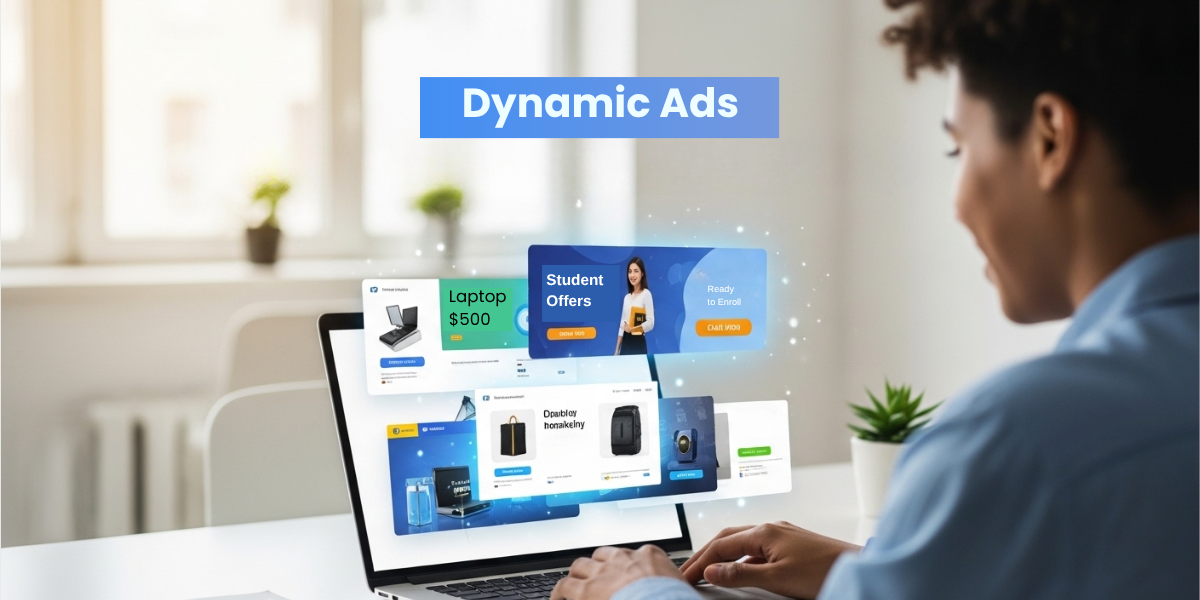
Dynamic ads are personalised advertisements that reflect the user's online behavior, personal interests, and website navigation patterns. Advertisers need to upload product feeds or website information and assemble unique ad creatives for each individual viewer without requiring manual design for every variation .
Unlike traditional static ads where a single creative is shown to all users, dynamic ads use data signals to match the right product with the right user at the right moment
For example:
This personalization dramatically improves relevance and click-through rates.
Dynamic remarketing ads combine behavioral targeting with personalized creative generation. Simply, to re-engage users who have already demonstrated purchase intent. When someone visits your product page but does not buy, they are not a lost lead. They are a warm prospect who needs the right follow-up.
Real-World Scenario:
The system enables users to recall their previous interests while generating a sense of urgency.
Why Conversions Increase:
The proven strategies should be implemented to boost remarketing conversion because these strategies produce optimal results.
Note - According to industry benchmarks reported by Google and Meta, dynamic remarketing campaigns typically deliver 20% to 50% higher conversion rates compared to standard static retargeting campaigns running on the same budget.
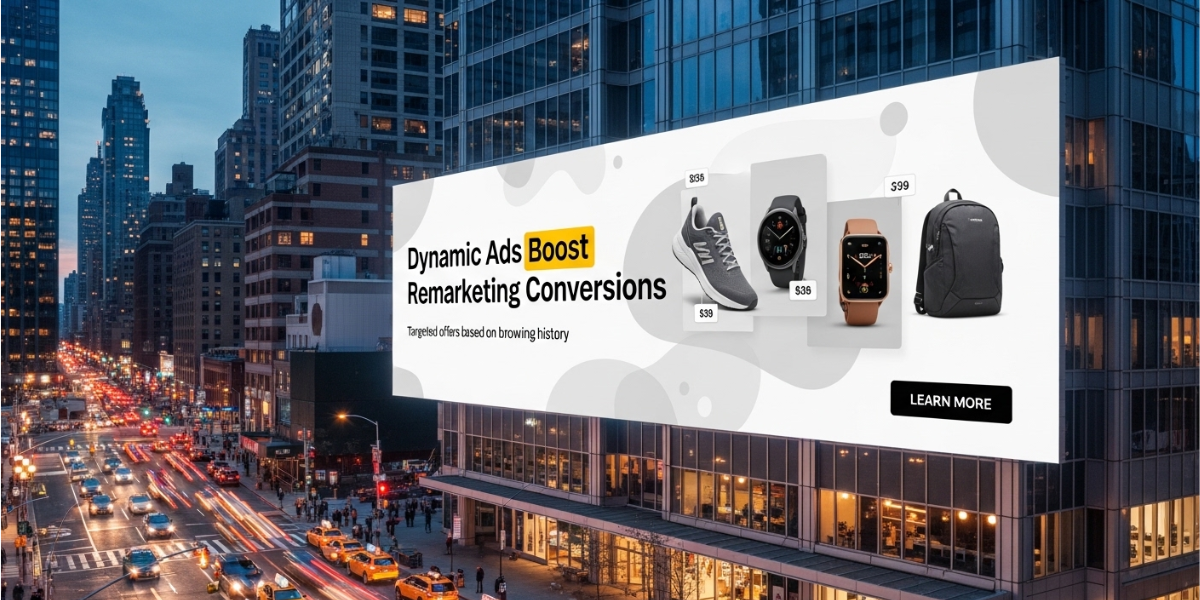
Dynamic product ads are the most widely deployed format of dynamic advertising and consistently show the highest conversion rates across all advertisement types.
How Dynamic Product Ads work:
The advertising platform becomes most effective for E-commerce brands and travel portals and fashion retailers and electronics stores.
Important - By showing users exactly what they left behind—sometimes with urgency triggers like “Only 3 left”—brands see conversion lifts of 20–40% compared to static retargeting.
Understanding the structural difference between dynamic ads and traditional static remarketing helps explain why the performance gap between them continues to widen as personalisation technology matures.
|
Feature |
Dynamic ads |
Traditional Remarketing Ads |
|
Personalization |
Fully automated per-user creative |
Single static creative for all users |
|
Scalability |
Easy |
Time-consuming |
|
Relevance |
Very High - matches specific user behaviour |
Moderate - shows generic brand messaging |
|
Performance |
20-50% higher conversion rate on average |
Lower conversion rate at equivalent spend |
|
Automation |
Fully automated |
Manual optimization |
|
ROI |
Significantly higher due to relevance |
Lower due to creative fatigue |
|
Best For |
eCommerce, travel, retail, financial services |
Brand awareness, simple product lines |
The newest evolution is dynamic remarketing ads powered by predictive algorithms. Instead of simply showing the last viewed product, platforms now analyze:
For example, if a user compares two price ranges, the algorithm may show a bundle offer instead of a single product. This predictive personalization increases conversion efficiency and significantly enhances campaign performance.
Dynamic formats provide businesses with their main benefit because these formats help companies track their remarketing ad performance, which leads to increased return on investment.
Businesses achieve maximum returns through these points:
1. Segmented Audience Targeting: Using customer behavior data to create different audience groups.
which include:
The system sends distinct messages to each audience segment.
2. Creative Personalization: For dynamic product ads, the product feed is the foundation of everything. Poor feed quality — missing images, inaccurate pricing, incomplete descriptions, or incorrect categorisation — directly reduces ad relevance scores and increases cost per click. Regular feed audits are an essential component of professional remarketing services.
3. Budget Reallocation: Use AI technology to transfer funds between audience segments that generate the highest conversion rates.
4. Cross-Platform Integration: The most effective remarketing campaigns maintain consistent messaging across multiple platforms to run its campaigns, which include search engines and social media, and display networks, to maintain consistent advertising results.
A modern remarketing campaign creates revenue when organizations implement it correctly because it functions as a revenue engine instead of a tool for brand recognition.
One of the most common miskates in evaluating remarketing ads ROI is relying on last-click attribution, which systematically overstates the contribution of remarketing by giving it full credit for conversions that were influenced by multiple earlier touchpoints.
A more accurate measurement framework for dynamic remarketing performance includes:
These measurement approaches give a picture of how dynamic remarketing is genuinely contributing to business growth, enabling smarter budget allocation decisions.
Automation tools function effectively, but organizations require a strategic framework to guide their automation process.
A professional remarketing agency ensures:
The best automated systems require professional installation work to function effectively.
Many brands now partner with specialized remarketing services providers who integrate analytics, AI bidding systems, and cross-channel execution to maintain competitive advantage.
Dynamic advertising is no longer just an extra marketing tactic. It has become an important part of business growth.
With smart automation, personalized ads, and support from a professional remarketing agency, brands can reconnect with interested users more easily. These users have already shown interest, so they are more likely to convert.
The system uses website content as its basis for dynamic search ads, which operate differently from catalog-based advertisement formats. When used correctly, these strategies help turn abandoned visitors into paying customers. They also improve budget efficiency and support long-term growth.
In 2026, brands that succeed will combine their data assets and creative resources and automated systems to create value from every customer interaction. The modern automated remarketing campaign optimization will lead to higher success rates, which require better customer targeting. Both of these elements will drive your company toward sustainable profitability.